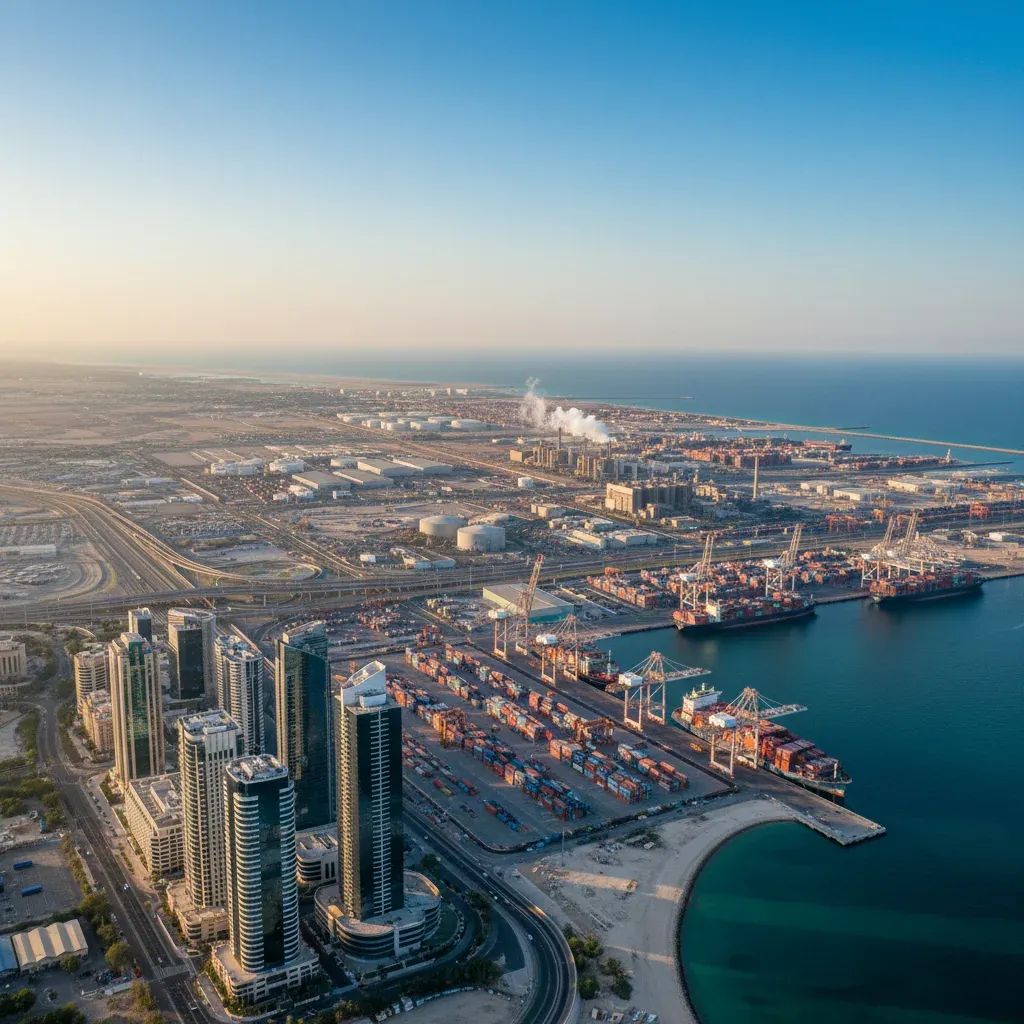
Oil markets are signaling a shift in investment conditions and expense pressures for anyone living or doing business in the United Arab Emirates. Brent crude has crossed above $100 per barrel, trading at $101.06 on July 24, 2026—levels not seen since May. Geopolitical tensions in the Middle East are cited as factors sustaining elevated energy costs. For residents, this matters because fuel prices, construction materials, borrowing costs, and investment returns are all responding to global energy market movements.
Why This Matters
• Transportation and household costs: Fuel station prices are adjusting upward alongside global benchmarks, with changes likely if geopolitical tensions persist through the coming months.
• Mortgage and business lending squeeze: Higher global interest rates are influencing borrowing costs for UAE residents with dollar-pegged loans and variable-rate mortgages.
• Investment portfolios under pressure: Gold has declined as investors shift toward interest-bearing assets, while equities face pressure from rising input costs.
• Geopolitical proximity risk: The UAE sits between two critical waterways—the Strait of Hormuz and the Red Sea—making energy supply developments feel immediate rather than abstract.
How Oil Crossed the $100 Threshold
Brent crude has posted gains across four consecutive weeks. On Thursday, it settled up 7 percent above $100, and the contract remained above that level on Friday. West Texas Intermediate (WTI), the benchmark for U.S. crude, climbed to $91.20—its best level since early June. The price movement reflects supply concerns rather than demand strength.
The immediate triggers include tensions in the Middle East and concerns about shipping disruptions. The Strait of Hormuz carries roughly one-fifth of global crude supply, meaning disruptions create ripple effects across international energy markets. The Red Sea represents an alternative shipping route, but heightened activity in the region has increased insurance costs and transit times.
Global oil inventories and strategic petroleum reserves have contracted to low levels, reducing the buffers that typically cushion against shocks. When supply cushions shrink, prices respond more dramatically to developments.
The Inflation-Interest Rate Connection
Higher oil prices contribute to inflation expectations, which in turn influence central bank policy. The U.S. Federal Reserve held its benchmark rate steady in July but market participants are watching for potential future adjustments. The Fed's policy decisions are imported directly into UAE financial conditions because the UAE dirham is pegged to the U.S. dollar.
When U.S. rates adjust, UAE-based borrowing typically follows. A mortgage holder in Dubai with a variable-rate loan or a small business owner with an overdraft facility could see debt service costs climb if rates move higher. A retiree living on savings may see bank account yields improve, though the improvement depends on whether financial institutions pass through rate increases to depositors.
For investors, rising input costs create headwinds for equities because they compress profit margins. A logistics company's fuel surcharge may offset some pressures, but most businesses see margin compression when energy costs spike. Bond markets, meanwhile, offer more attractive yields as interest rate expectations shift, making fixed-income allocations relatively more appealing.
Gold's Retreat Reflects Rate Expectations
Precious metals have declined as investors reposition portfolios. Spot gold dropped on recent sessions, surrendering value from earlier in the month. The shift reveals investor conviction that higher interest rates are likely ahead.
Gold generates no yield, making it attractive primarily when real interest rates are negative or when geopolitical risk demands safe-haven positioning. As nominal rates rise, bonds and certificates of deposit offer better returns. Investors rationally migrated capital away from gold into yield-bearing instruments.
Silver, platinum, and palladium have also declined, signaling that traders are pricing in slower economic momentum.
Navigating the Cost Pressures for UAE Residents
The lived experience of market shifts arrives through several channels. At fuel pumps across the emirate, prices adjust to reflect global benchmarks plus local taxes and markups. Household budgets allocated for driving expenses are rising as oil prices climb.
For construction and real estate sectors, the squeeze operates through input costs. Materials derived from petroleum—asphalt, plastics, chemicals—are affected by oil prices. Construction projects bid at lower oil price assumptions may face cost pressures.
Corporate sectors reliant on maritime freight face compounded pressures. Shipping through critical waterways has become more expensive due to insurance premium hikes and bunker fuel surcharges. Import-dependent businesses—fashion retailers, automotive dealers, electronics importers—see their landed costs climb, which eventually reaches consumer prices.
For the financial sector, the landscape is gradually shifting. UAE banks are absorbing signals of higher global rates. Lending standards are gradually tightening, which means mortgage qualifying thresholds are becoming more stringent and overdraft rates are inching upward.
What Market Structure Shows About Near-Term Risks
The derivatives market shows Brent backwardation—where near-term futures trade at premiums to longer-dated contracts. This indicates traders perceive supply tightness in the coming weeks, with expectations for normalization in coming months.
However, that assumption depends on a variable nobody controls precisely: geopolitical stability. If Middle East tensions ease, crude could normalize faster. If disruptions continue, the tightness could extend.
OPEC+ announced quota increases earlier in July, but actual supply reaching markets remains constrained by refinery outages and production challenges. The group's coordinated power to stabilize markets remains important for global energy pricing.