
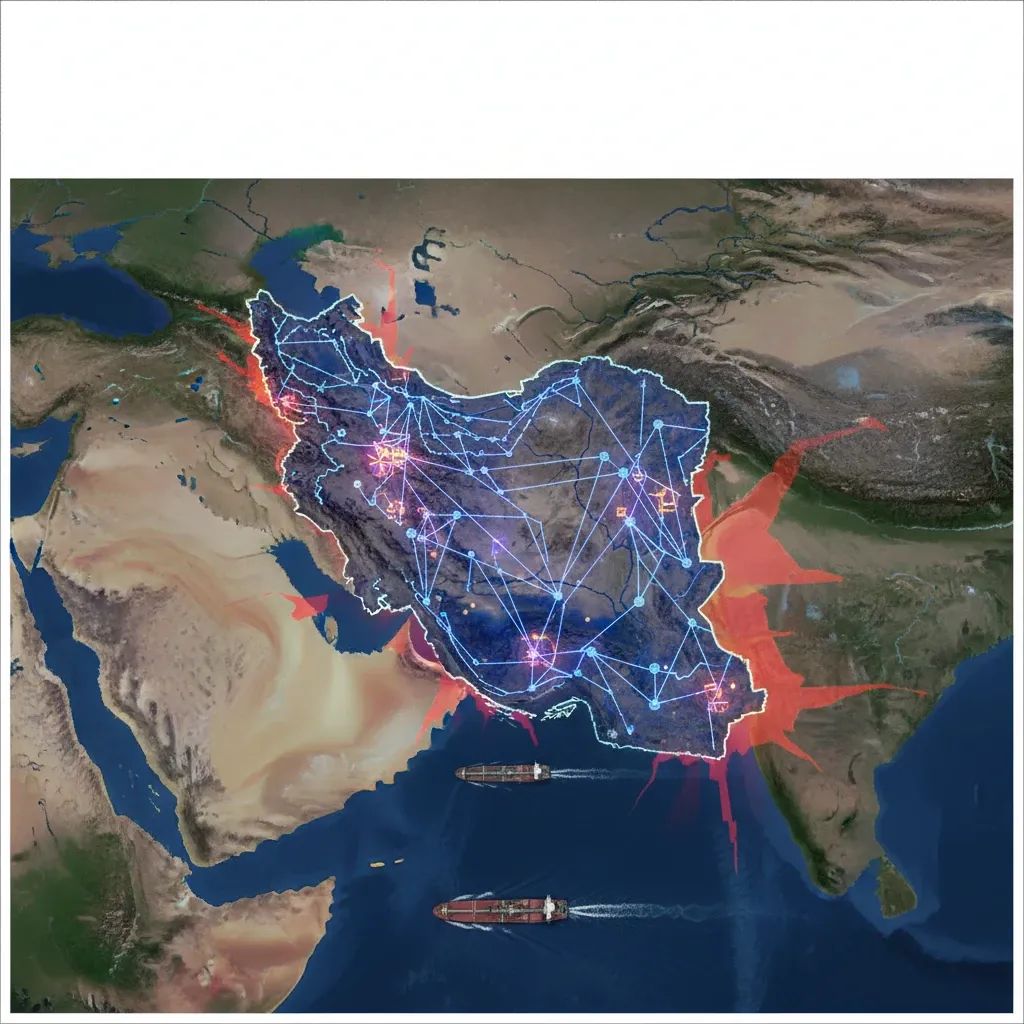
The United States has pulled back from planned strikes against Iran, triggering a sharp sell-off in global crude markets that will ease fuel costs across the United Arab Emirates. Brent crude plunged to $82.41 per barrel—down more than 6%—while West Texas Intermediate fell to $79.40, marking one of the steepest single-session declines this year.
Why This Matters
• Fuel and transport costs: Lower crude prices typically translate to cheaper petrol and diesel at United Arab Emirates pumps within weeks, reducing household and business expenses.
• Energy sector exposure: The United Arab Emirates' sovereign wealth funds and listed energy firms face headwinds as oil revenue projections soften.
• Regional stability: The cancellation signals reduced risk of conflict in the Strait of Hormuz, the maritime chokepoint through which a significant portion of global oil flows, including United Arab Emirates crude exports.
The Diplomatic Development Behind the Price Crash
US President Donald Trump announced he had called off imminent military action against Iran following diplomatic appeals from Saudi Arabia, the United Arab Emirates, and Qatar, as well as direct overtures from Tehran. The decision came as talks were scheduled to begin on a framework deal addressing nuclear and maritime security concerns. Iran has indicated it is in discussions with regional partners on maritime cooperation through the strategic waterway.
Trump's reversal followed a period of heightened tensions earlier in the year that had kept oil markets volatile. The move unwound the geopolitical risk premium that had inflated crude benchmarks since tensions escalated. A preliminary memorandum of understanding signed in June had established a basis for negotiations, but markets remained watchful over unresolved issues. Trump's cancellation of the strikes effectively signalled that diplomacy had become the priority, prompting traders to liquidate positions built on assumptions of prolonged hostilities.
What This Means for United Arab Emirates Residents and Investors
For United Arab Emirates households, the immediate effect will likely materialise at the petrol station. Domestic fuel prices are indexed to international benchmarks, and a sustained drop in Brent crude typically feeds through within two to three weeks. Lower crude prices could translate to savings for the average driver—modest but welcome relief amid cost pressures.
The implications for United Arab Emirates investors are more complex. Energy stocks listed on local exchanges, along with regional oil majors held in many United Arab Emirates-based portfolios, are likely to face near-term pressure. The United Arab Emirates sovereign wealth funds, including Abu Dhabi Investment Authority and Mubadala, hold substantial positions in energy infrastructure and international upstream assets. A prolonged period of lower crude would compress returns on these holdings and could prompt a reallocation toward non-oil sectors such as renewables, logistics, and technology.
The broader economic calculus for the United Arab Emirates hinges on the balance between fiscal revenue—still heavily reliant on oil despite diversification efforts—and the competitiveness of its non-oil economy. Lower crude prices reduce government income, potentially constraining public spending on infrastructure and social programmes. However, they also lower input costs for airlines, shipping, and manufacturing, sectors where the United Arab Emirates has made significant investments.
Market Forecasts Signal Extended Weakness
Market analysts have already begun revising their outlooks. The US Energy Information Administration now expects Brent to average $74 per barrel in the third quarter, a significant downward revision from its previous forecast. The agency attributed the shift to increased supply expectations following diplomatic developments and anticipated improvements in regional trade flows. Global oil inventories are now projected to show slower drawdown rates, easing supply constraints.
Morgan Stanley has similarly cut its forecasts for the coming quarter, citing faster-than-expected market normalisation. The bank noted that market attention has shifted from immediate supply fears to concerns about longer-term supply and demand balance.
These projections suggest that the current decline reflects a structural repricing as geopolitical risk premiums unwind. Traders are factoring in the possibility that diplomatic progress could lead to improved market conditions and higher global supply over the coming months.
The Strait of Hormuz Factor
The Strait of Hormuz remains central to this story. The strategic waterway between Iran and Oman is critical to global oil trade and essential to United Arab Emirates commerce and energy exports. For the United Arab Emirates, the Strait is both a strategic asset and a potential vulnerability, making regional stability essential for trade and energy security.
The diplomatic developments have reassured market participants about maritime security through the channel. Improved regional relations should benefit United Arab Emirates ports and shipping operations, which handle significant volumes of fuel and cargo for vessels transiting the region.
For United Arab Emirates policymakers, the de-escalation reduces immediate contingency planning needs and supports the broader economic environment. The improved security outlook also benefits the broader UAE business community dependent on stable regional conditions.
Energy Sector Outlook
The sell-off in crude markets is already affecting energy sector equities. Shares of major oil producers and integrated energy firms have declined in tandem with crude prices. For United Arab Emirates investors, this presents both risks and opportunities. Energy stocks that rallied during heightened tensions are now vulnerable to further declines if prices stabilise at lower levels. However, the improved regional environment may boost valuations for United Arab Emirates companies in logistics, aviation, and tourism, which benefit from lower fuel costs and reduced geopolitical uncertainty.
The longer-term outlook depends on whether diplomatic progress translates into sustained regional stability. The United Arab Emirates has historically supported efforts to stabilise oil markets through regional coordination, and energy market developments will likely inform policy discussions in coming months.
Market Implications Ahead
The cancellation of military action has removed an immediate risk from oil markets, but developments remain fluid. Diplomatic negotiations are ongoing, and market participants will continue monitoring regional developments closely. For now, United Arab Emirates residents and businesses can expect lower fuel costs and reduced volatility, while investors should monitor developments for signs of more permanent shifts in regional dynamics.


