
The United Arab Emirates Ministry of Culture has won international status for five archeological landscapes, a move that is expected to draw fresh investment, academic grants, and higher-value visitors to both Dubai and Sharjah.
Why This Matters
• Tourism spike likely as early as winter 2026-27, with Sharjah projecting a 12% rise in cultural-heritage arrivals.
• Research money is flowing: an initial AED 2 M “Faya Research Grant” launches this spring, offering paid fellowships for Emirati graduates.
• Property near the Sharjah mountain sites has already appreciated 4-7%, according to local brokers.
• Heritage rules tighten: owners of land inside the new buffer zones must now request permits before any construction or camping activity.
From Forgotten Sands to the ICESCO Ledger
The five locations span 4,000 years of Gulf history and stretch from the edge of Dubai’s desert to the rugged Hajar Mountains.
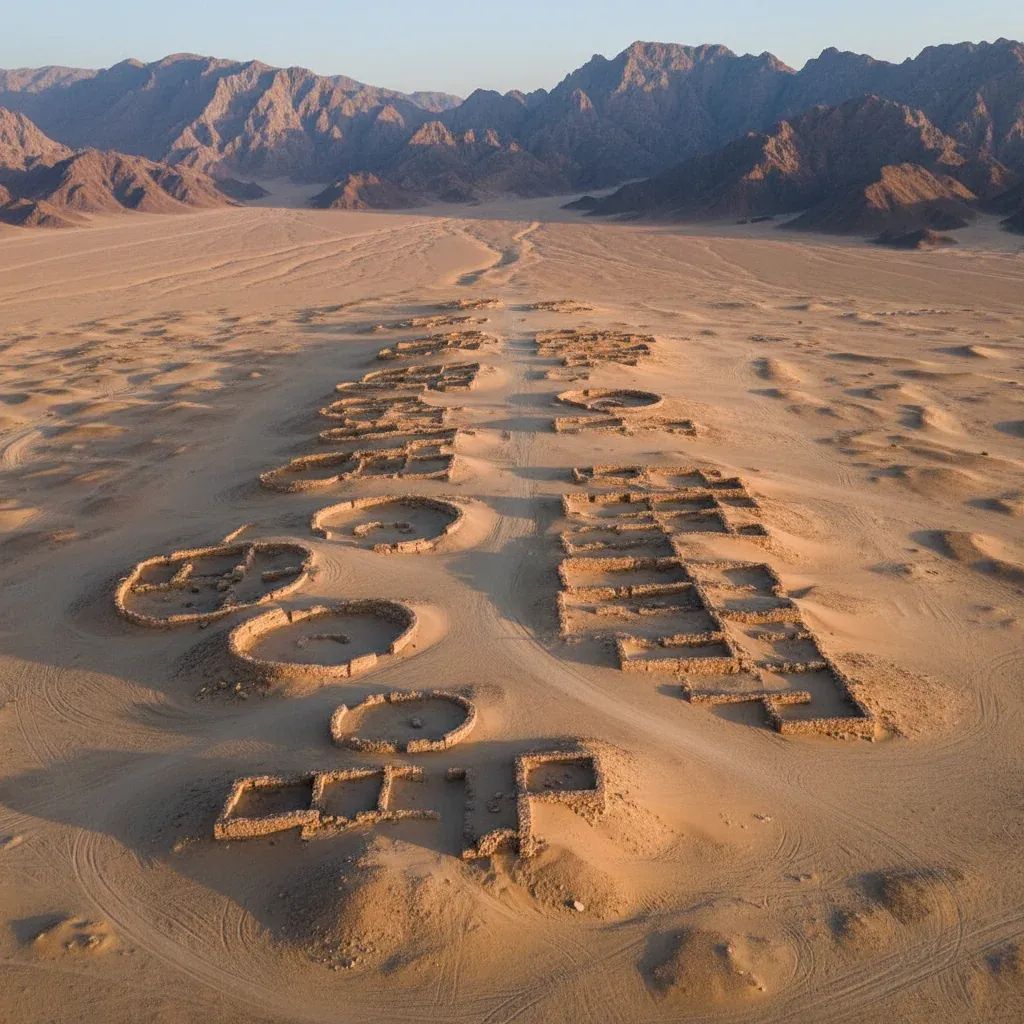
Saruq Al Hadid, Dubai – A Bronze- and Iron-Age industrial hub where tens of thousands of copper artefacts were forged. Discovered only in 2002 from the air, the site’s slag heaps and ritual objects offer insight into Arabia’s earliest heavy industry.
Al Faya Palaeolandscape, Sharjah – Researchers call this “an open textbook on human migration.” Stone tools reveal repeated occupations going back over 210,000 years, challenging older theories that early humans avoided the inland desert.
Khorfakkan’s towers & forts, Sharjah – An integrated defensive network that watched Gulf-Indian Ocean trade lanes for six centuries; includes the region’s only surviving triangular Portuguese fort.
Al Nahwa mountain enclave, Sharjah – A pocket of Omani territory inside Sharjah famous for prehistoric rock art, dry-stone houses and watchtowers that map out centuries of mountain life.
Wadi Al Helo, Sharjah – The earliest confirmed copper-smelting valley in south-east Arabia; hiking paths now weave past restored kilns and a Bronze Age village.
Fast-Tracking Preservation Funding
Sharjah’s Crown Prince signed off an AED 21 M compensation package for homeowners affected by fortress restoration in Khorfakkan, while the Sharjah Archaeology Authority will manage the Faya grant, allotting money to paleo-environmental studies, 3-D scanning and youth mentorship. Dubai Culture, meanwhile, is incorporating Saruq Al Hadid into its “Dubai Legacy” smart-heritage app, promising augmented-reality site tours by 2027. Although ICESCO’s own climate-resilience fund has not yet disclosed allocations to the UAE, officials confirmed that proposals for solar-powered lighting at Wadi Al Helo are under review.
What This Means for Residents
• Weekend plans get an upgrade. New way-finding signage and shaded trailheads will let families hike Al Nahwa and Wadi Al Helo without specialized guides.
• Small-business opportunities. Sharjah Tourism expects demand for licensed homestays, trail cafés, and craft stalls; Emiratis and long-term expats can apply for micro-grants of up to AED 150,000.
• Permit alerts. Camping, drone filming, and metal-detecting inside the heritage corridors now require an online permit from the Ministry of Climate Change & Environment; fines start at AED 5,000—roughly the price of a long weekend in Salalah.
• Education credit. Public-school curriculums will insert site visits into Grade-8 history, giving parents the option to earn parent-volunteer hours by chaperoning trips.
The Bigger Picture: UAE on the Islamic Heritage Map
With these inscriptions, the country’s tally on ICESCO’s Tangible Heritage list rises to 17—the highest in the Gulf. Diplomats view the recognition as soft-power currency that complements the UAE’s UNESCO World Heritage bids and its push to lead regional climate-heritage dialogue. For ordinary residents, the decision cements a narrative: the nation’s most valuable resource is no longer only oil or finance but its multilayered story, now etched onto an international register that millions consult each year.


