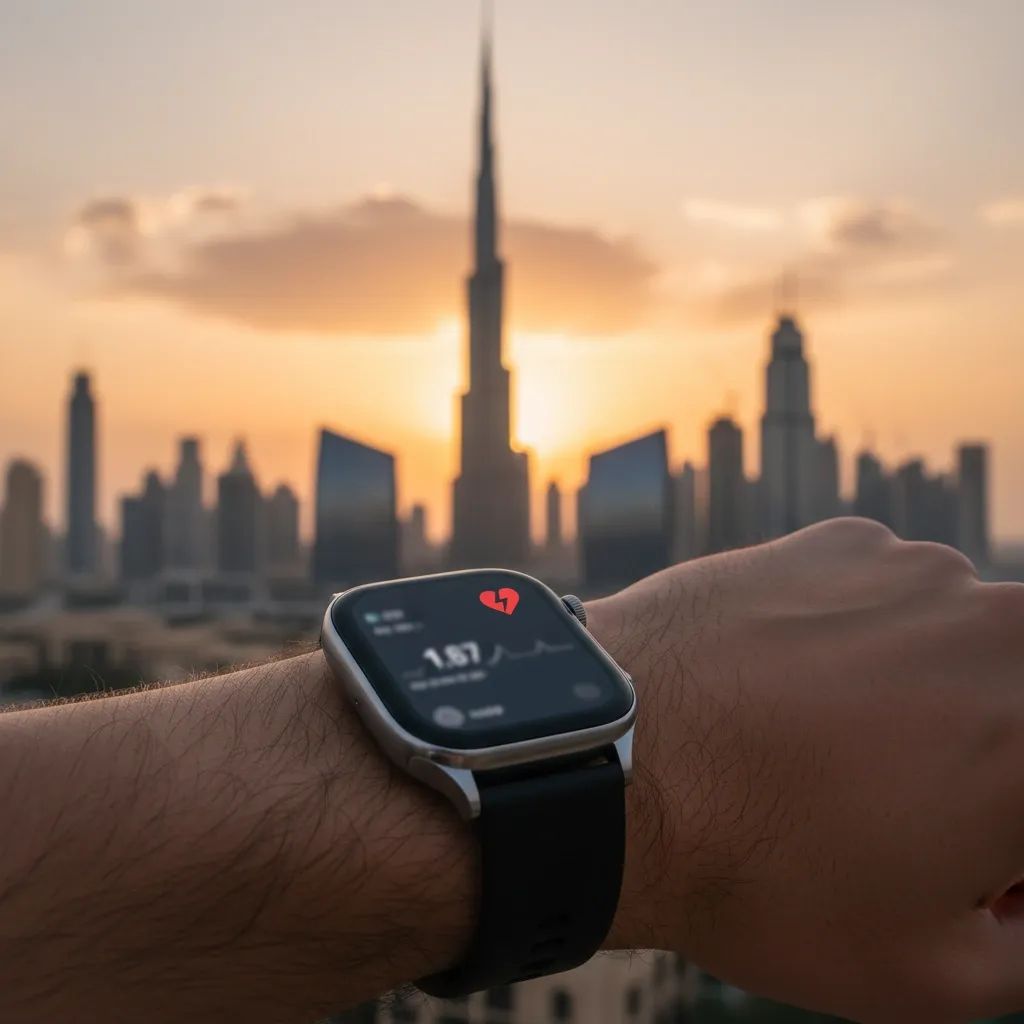
The United Arab Emirates arm of Huawei has activated a new Diabetes Risk Assessment feature on its smartwatches, a move that could shift early detection of one of the nation’s leading chronic conditions onto residents’ wrists.
Key Takeaways
• Free OTA update for HUAWEI WATCH GT 6 Pro—no additional fee.
• 20.7% of UAE adults live with diabetes (IDF 2024).
• Wear your watch 3–14 days to generate Low, Medium or High risk alerts.
• Classified as a wellness tool under the United Arab Emirates Ministry of Health and Prevention (MOHAP).
From Expo Showcase to Wrist Alert
At the World Health Expo Dubai 2026, held February 9–13, Huawei detailed how its latest wearable leverages non-invasive PPG technology to spot subtle changes in blood volume beneath the skin. By analyzing these cardiovascular signals with onboard AI, the watch triggers proactive health alerts that encourage users flagged as Medium or High risk to seek professional testing.
Local validation is underway via a partnership between Dubai Health Authority and Mohammed Bin Rashid University. Early results suggest the feature achieves near 80% concordance with standard lab markers, such as HbA1c—enough accuracy to serve as a screening adjunct, but not a substitute for clinical diagnosis.
Behind the Sensor: How It Works
Huawei’s team repurposed the same green-light LED used for heart‐rate monitoring. When diabetes-related microvascular changes or autonomic dysregulation alter blood flow under the wrist, these shifts show up in the PPG waveform. After 3 to 14 consecutive days of wear, the watch’s app classifies your pattern:
• Low risk – continue routine wellness checks.
• Medium risk – consider booking a fasting plasma‐glucose test.
• High risk – seek immediate medical evaluation.
Users retain full control of their data: raw PPG traces stay encrypted on the device and sync to UAE-based cloud servers adhering to ADGM data-protection rules.
UAE Regulation & Local Studies
Under current MOHAP guidance, tools that merely recommend a doctor’s visit remain in the low-risk wellness category, avoiding the stringent import permits required for glucose meters or insulin pumps. Huawei is in ongoing talks with the Dubai Health Authority to refine local guidelines as the feature expands to models like the WATCH D2 and WATCH 4 Series via future OTA drops.
Across the GCC, regulators from the SFDA in Saudi Arabia to NHRA in Bahrain are observing these trials closely. The classification of AI-powered wearables is evolving, but for now, the diabetes risk alert stays clear of medical-device registration.
What This Means for Residents
Residents should view the feature as an early warning system, not a definitive diagnosis:
• No cost impact on health insurance—Thiqa, Daman and private plans remain unchanged.
• Immediate access for existing WATCH GT 6 Pro owners through a simple software update.
• Timely intervention can cut long-term care costs—UAE spends over AED 5 B annually on diabetes-related treatments.
• Follow-up tests at licensed clinics are still required for prescription adjustments or insurance claims.
By nudging users to act before symptoms escalate, the feature could help reduce hospital admissions for complications like diabetic foot, kidney issues and vision loss.
Beyond Diabetes: The Wearables Roadmap
Huawei’s Middle East division hints at adding blood-pressure trendlines and sleep-apnea flags, creating a unified cardiometabolic dashboard. Meanwhile, Apple and Samsung race to deliver true non-invasive glucose meters, though analysts don’t foresee an FDA-cleared solution before 2028.
For now, UAE residents stand at the forefront of a global shift: consumer tech merging with preventive healthcare to curb one of the country’s heaviest public-health expenditures.