When Controlled Chaos Defines Tactical Mastery
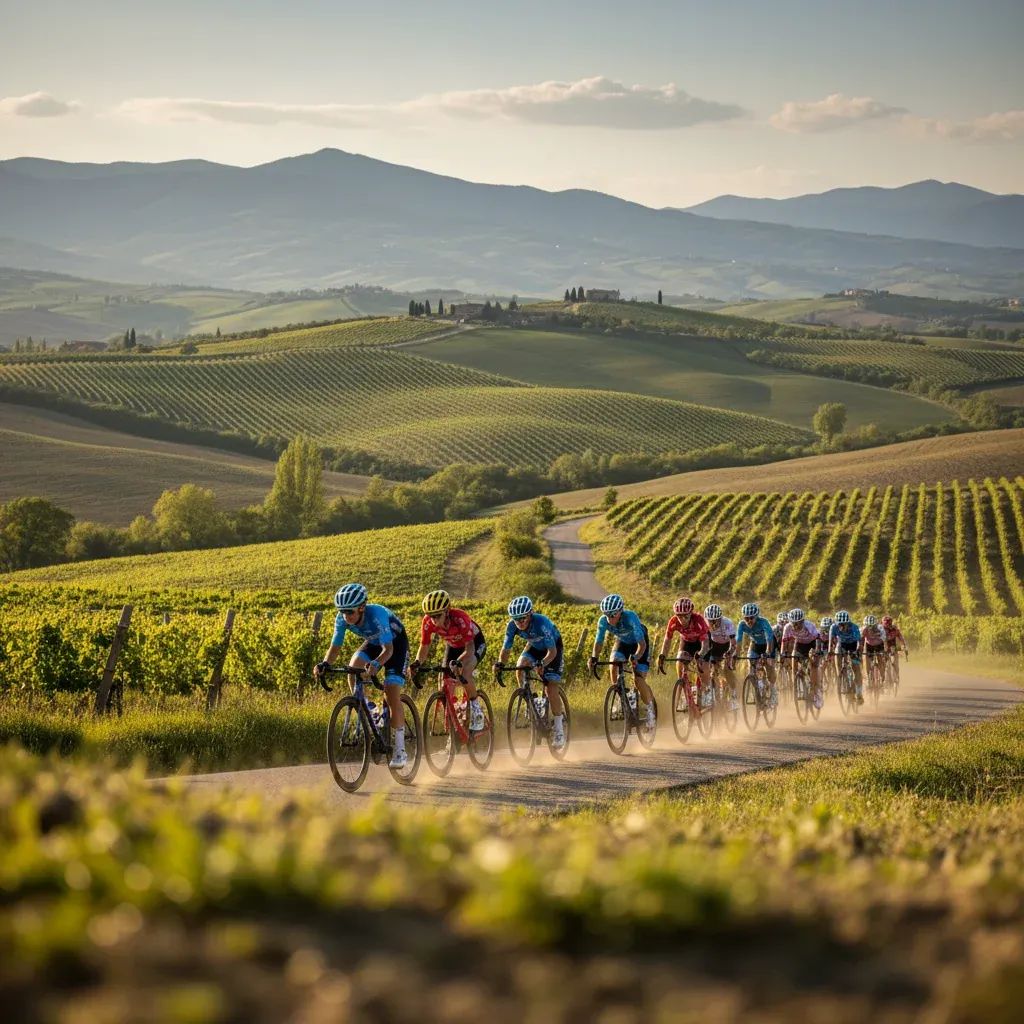
The mathematics of women's professional cycling favor teams that refuse to waste energy. On March 8 in the Tuscan hills around Cinquale di Montignoso, the United Arab Emirates-backed UAE Team ADQ demonstrated exactly what this philosophy looks like under pressure. Across 106.8 kilometers of unforgiving terrain, the squad placed six riders inside the top 10—a concentration of strength that marks a significant early-season achievement for the organization.
Elisa Longo Borghini, the Italian national road race champion, executed the decisive move late in the afternoon. At kilometer 92, ascending the La Fortezza climb for the second time, she accelerated with a precision that suggested she knew exactly which of her rivals could follow and which could not. Fourteen kilometers of solitude followed. She crossed the finish line alone, claiming her second Trofeo Oro title—she also won in 2012 and 2024. But the headline—victory by one rider—obscures what made this result genuinely consequential for the team's early season trajectory.
Why This Matters
• Six top-10 finishers in a single 106-kilometer race compounds team ranking points in ways that single podium placements cannot replicate. By March, early season distribution of points positions teams for resource allocation in later campaigns.
• Podium clean sweep (Longo Borghini first, Karlijn Swinkels second, Dominika Włodarczyk third) demonstrates strong tactical execution and coordination throughout the afternoon.
• Consistency at the highest intensity suggests the team's infrastructure—coaching, recovery protocols, race planning—is functioning effectively at an elite level.
The Architecture of Team Performance
In professional cycling's points economy, finishing order matters less than who finishes near the front. A rival squad that delivers one third-place finisher accumulates significantly fewer WorldTour ranking points than a well-coordinated team distributing its five or six strongest riders across positions 1–10. UAE Team ADQ effectively harvested points across multiple positions, a configuration that strengthens its standing through the European season's important one-day races.
The race unfolded with the appearance of spontaneous drama—Longo Borghini's attack, rivals unable to respond—but this surface narrative obscures underlying tactical discipline. A less experienced team might have fragmented the field unnecessarily early, burning resources in breakaway attempts or allowing aggressive squadwork from rivals. Instead, UAE Team ADQ managed the 106.8-kilometer distance with structured pacing. The squad accelerated when advantageous, throttled pace when unnecessary, then released Longo Borghini when the race's decisive moment arrived and opposition had exhausted its options.
Silvia Persico finished fourth, while Paula Blasi and Erica Magnaldi completed the top-10 distribution in ninth and tenth. This reflected deliberate coordination rather than coincidence. It demonstrated a pre-race plan executed across three-plus hours of racing. That level of tactical synchronization differentiates teams managed by sports directors who understand how to sequence information and manage rider energy from those that rely primarily on individual talent.
Why Familiarity Matters at La Fortezza
Longo Borghini's victory extends beyond her individual capability. The Italian champion has raced this course in previous seasons, understanding how the La Fortezza climb filters the field through specific gradients. She knows the psychological threshold where fatigue compounds—roughly kilometer 88—and where a committed attack becomes mathematically difficult to chase because energy systems have already been depleted by preceding efforts.
This accumulated knowledge about micro-terrain and physiological markers represents valuable infrastructure that only emerges through repeated exposure. A satellite team might place a strong rider at a race without this contextual depth. A genuine competitor understands the race's architecture so completely that the correct move becomes obvious long before the decisive moment arrives.
Within UAE Team ADQ, Longo Borghini functions as an anchor—a rider whose established reputation and big-race experience stabilizes younger performers. Teammates including Mavi García and Alena Amialiusik benefit from proximity to this level of consistency. Emerging riders like Federica Venturelli and Karlijn Swinkels develop within an organizational culture that prioritizes veteran guidance alongside youth development. This roster reflects deliberate construction that blends seasoned performers with rising prospects.
Infrastructure Supporting Team Coordination
UAE Team ADQ operates with professional infrastructure comparable to established men's teams. The organization maintains specialized dietitians, performance chefs, recovery specialists, and medical staff supporting riders across all performance levels. This professionalization means that riders benefit from optimization across nutrition, training load management, and injury prevention. This comprehensive support system provides measurable advantages across dozens of small decisions—marginally better sleep hygiene, fractionally optimized fueling, slightly faster injury rehabilitation.
Early Season Achievement and the Season Ahead
For the United Arab Emirates, women's cycling represents a specific facet of the country's broader sports diversification strategy. Football, motorsport, and equestrian sports have traditionally dominated national sporting investments. Cycling introduces opportunities for international visibility, infrastructure development, and increasingly important to global sponsors—demonstrated commitment to gender equity in athletics. These elements appeal to investors prioritizing environmental, social, and governance criteria in their allocation decisions.
The Montignoso result provides evidence that organizational infrastructure exists and coordination mechanisms function effectively. This represents a strong foundation for early-season competition, though the team's sustained performance across the European calendar will determine whether this achievement indicates a broader trend. As the spring classic calendar accelerates into its most demanding phase, success across multiple events in April and May will demonstrate the strength and consistency of the organization's competitive positioning.
The Path Forward
The team's refined jersey design for 2026 intentionally emphasizes continuity over disruption. This is organizational philosophy translated into visual identity: steady improvement rather than volatile roster churn. Underpinning this aesthetic lies a development program designed to cultivate competitive talent and sustained performance.
This early March victory demonstrates that UAE Team ADQ possesses the fundamental elements necessary for consistent competition at Europe's highest levels. Whether this result represents the beginning of sustained success or an isolated strong performance will become clear as the season unfolds across the demanding spring and summer calendars.