
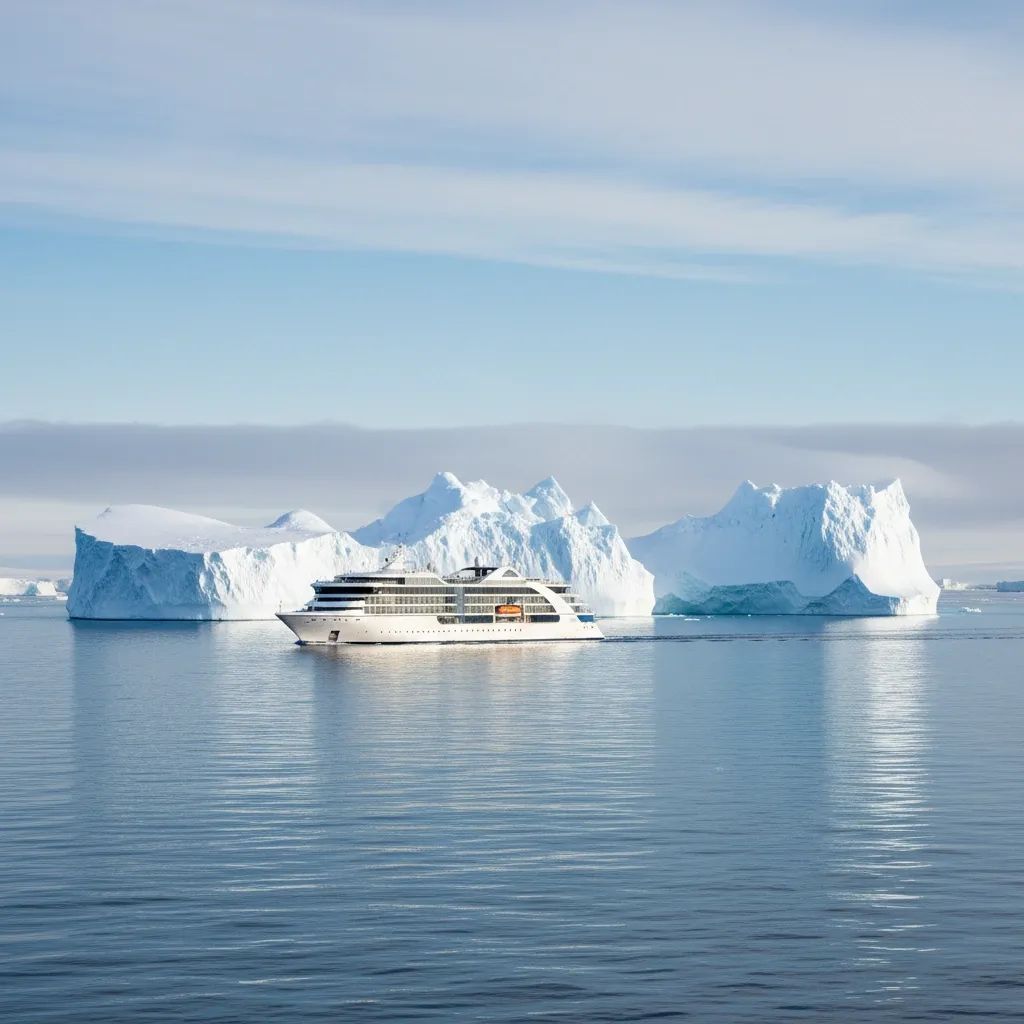
The discovery of three deaths and multiple cases of Andes hantavirus aboard the Dutch ship MV Hondius has exposed a vulnerability in global health security: a virus once confined to remote South American settlements can now spread through international travelers. For anyone living in or frequently traveling from the United Arab Emirates, understanding this May 2026 cruise ship cluster is important for making informed travel decisions.
What This Means for UAE Residents and Travelers
The implications are direct but manageable with proper precautions. UAE residents planning travel to Argentina, Chile, Bolivia, Paraguay, or Brazil should understand their actual risk level. According to the World Health Organization, public risk globally remains low outside endemic areas and specific outbreak clusters. For tourism, the danger is modest if precautions are observed. For business travelers or adventurers visiting rural areas—farms, forests, remote lodges—exposure risk rises significantly.
Three immediate actions matter:
First, understand symptom timing. If you travel to an endemic region and return to the UAE, monitor your health for eight weeks. Any fever coupled with muscle pain or respiratory symptoms warrants immediate medical attention. Communicate your travel history to your doctor. Early hospital admission improves survival outcomes significantly.
Second, review your travel insurance carefully. Standard policies often exclude medical evacuation and intensive care abroad. Major UAE insurers—including Oman Insurance, Abu Dhabi National Insurance, and Daman Health Insurance—offer comprehensive travel coverage, but specific provisions vary. Verify your policy covers high-acuity care, ICU hospitalization, and medical evacuation. If you contract severe hantavirus illness in South America, you may need airlifted transport to a facility equipped for advanced respiratory support, a cost that can reach tens of thousands of dirhams.
Third, practice cleanliness in unfamiliar accommodations. If you stay in rural lodges, warehouses, or farm buildings, inspect them for rodent droppings or nesting materials. Never sweep or vacuum contaminated areas—this aerosolizes the virus. Instead, spray surfaces with a 10% bleach solution, wait, then wipe. Wash hands thoroughly afterward. Secure food in sealed containers and avoid touching any rodent materials.
For UAE residents employing domestic workers from South American countries: If household staff report recent travel to endemic regions, monitor them for symptoms during the eight-week window and ensure they have access to healthcare if fever or respiratory symptoms develop.
Why This Matters
• Direct transmission risk in transit: The Andes strain spreads person-to-person during early illness, meaning exposure can occur in cabins, dining areas, and confined spaces shared with hundreds of travelers.
• Delayed symptoms create detection gaps: Infections may not surface for up to eight weeks, allowing travelers to return to the UAE and potentially spread the virus before symptoms appear.
• Severe outcomes with limited options: With fatality rates reaching 50% and no specific treatment or vaccine available as of May 2026, early identification is the only advantage patients have.
• Rising regional case burden: Argentina, Bolivia, and Paraguay reported more than 150 combined cases in 2025 alone, driven by climate-linked environmental shifts that are likely to persist.
The Cruise Ship Crisis Unfolds
In late April 2026, passengers aboard MV Hondius began experiencing severe respiratory distress. The 147 individuals from 23 countries were traveling through South American ports when the virus struck. By May 2, the World Health Organization was formally notified. By May 4, health authorities had identified two confirmed infections and five suspected cases. Today, eight individuals remain affected, and three have died.
The ship's journey is crucial to understanding exposure. The vessel likely encountered the Andes hantavirus during a port stop in Argentina or Chile—the geographic epicenters where this particular strain thrives. What makes this outbreak unusual is not simply that people contracted the virus, but where it spread: in the close quarters of a modern cruise ship where hundreds of strangers share ventilation systems, dining facilities, and stairwells for weeks at a time.
Medical teams have arranged evacuations for the most severely ill, but the ship remains under investigation. Authorities are tracing which passengers showed symptoms first, who they had contact with, and whether the virus is still spreading among those still aboard. The confinement and prolonged proximity that makes cruise ships attractive for vacation is precisely what makes them vulnerable to disease.
Understanding Andes: The Unusual Hantavirus
Most hantavirus infections occur when people inhale virus-laden particles from rodent droppings, urine, or saliva. A farm worker cleaning a barn, a construction crew opening a sealed storage facility, someone sweeping an abandoned cabin—these are the typical infection scenarios. The virus does not usually pass between humans.
The Andes strain is different. It is the single hantavirus capable of sustained human-to-human transmission, primarily during the early symptomatic phase when an infected person may not yet realize they are sick. A family member caring for a patient, healthcare workers without proper protective equipment, or fellow travelers in confined spaces—all face transmission risk. This capability emerged sporadically in South American outbreaks over the past two decades but had never been documented in such a large, mobile population until now.
The MV Hondius outbreak is forcing infectious disease experts to reconsider cruise ship epidemiology. These vessels are essentially floating cities with shared air systems, common dining areas, and limited isolation capacity. Once the virus boards, it has ideal conditions to spread.
Symptoms, Progression, and the Treatment Gap
Early hantavirus infection resembles many common ailments. Fever, muscle aches, and gastrointestinal upset appear between one and eight weeks after exposure. People often attribute these to flu or food poisoning. This window of diagnostic uncertainty is important to recognize.
The Andes strain progresses to hantavirus cardiopulmonary syndrome (HCPS). The disease shifts into a cardiopulmonary phase characterized by rapid fluid accumulation in the lungs and deteriorating heart function. Breathing becomes labored, and without intensive intervention, patients can deteriorate within days. Mortality reaches up to 50% with HCPS—far higher than the 1-15% fatality rate seen with Asian and European hantavirus variants.
As of May 2026, there is no FDA-approved vaccine and no specific antiviral medication. Clinical trials of ribavirin and methylprednisolone showed no meaningful benefit once cardiopulmonary complications developed. Treatment is entirely supportive: oxygen, mechanical ventilation, extracorporeal membrane oxygenation (ECMO) for the most severe cases, fluid management, and intensive nursing care. Early admission to a hospital with advanced respiratory equipment improves survival odds. Rural clinics and smaller hospitals cannot manage HCPS—patients need specialized ICU facilities.
Healthcare Capacity in the UAE
The UAE Ministry of Health and Prevention and private hospital networks have confirmed readiness to manage suspected hantavirus cases among returning travelers. Cleveland Clinic Abu Dhabi, Burjeel Medical City, Mediclinic facilities, and Al Zahra Hospital all maintain negative pressure isolation rooms and advanced ICU capacity including mechanical ventilation. Several major facilities, including Cleveland Clinic Abu Dhabi and Burjeel, have ECMO capabilities available for severe cardiopulmonary cases.
Hantavirus testing through serology and PCR is available at major UAE hospitals; the Central Lab at Al Zahra Hospital and Mediclinic laboratories can process samples for confirmation. This means patients presenting with fever and respiratory symptoms after South American travel can receive rapid diagnostic confirmation and appropriate isolation protocols.
If a case is identified, healthcare workers will implement:
Infection control protocols: Suspected cases receive immediate isolation in negative pressure rooms. Healthcare workers require N95 masks, eye protection, and gowns. Standard precautions alone are insufficient for Andes hantavirus given its respiratory and droplet transmission potential.
Diagnostic capability: Laboratory confirmation allows for appropriate isolation and notifies public health authorities. Contact tracing of fellow travelers and close contacts will begin immediately.
ICU readiness: Patients progressing to HCPS receive advanced respiratory support through established protocols at specialized centers.
Health Screening for Returning Travelers
The UAE General Civil Aviation Authority and Ministry of Health have issued guidance for travelers returning from South American countries. While formal quarantine is not currently mandated for asymptomatic individuals, returning travelers are advised to inform their healthcare provider of travel history if fever or respiratory symptoms develop within eight weeks of return. Several UAE health facilities have established protocols to handle suspected cases quickly and isolate them appropriately.
The Environmental Driver: Why South America Is Seeing Surges
The rise in hantavirus cases across South America is not random. Argentina reported 77 cases and 23 deaths in 2025—a fatality rate of nearly 30%, far exceeding the historical average of 15%. Bolivia recorded 48 cases and 11 deaths (double their recent yearly average), while Paraguay saw 27 cases and 6 deaths, including an occupational cluster among road workers clearing vegetation.
Climate change is the underlying engine. Increased rainfall boosts vegetation growth, providing abundant food for rodent populations. Warmer temperatures accelerate rodent reproduction. Simultaneously, deforestation and agricultural expansion push rodent habitats into closer proximity with human settlements. In Buenos Aires Province, researchers identified stable ecological niches—densely populated neighborhoods adjacent to agricultural land—where rodent populations thrive year-round and live near thousands of people.
Occupational exposure compounds the risk. Road workers, farmers, forestry crews, and construction teams frequently encounter rodent-infested environments. When 15 road workers in Paraguay contracted hantavirus in 2025 while clearing overgrown vegetation, it underscored that expanding human activity into rodent habitats is now a public health pattern, not an exception.
The Pan American Health Organization warned in December 2025 that the region faces a shifting epidemiological landscape. Unlike seasonal outbreaks of the past, South America now experiences year-round transmission with higher lethality. Climate patterns tied to phenomena like El Niño—known to correlate with elevated rodent populations—suggest these trends will persist.
Vaccine Development: A Glimmer of Hope
The cruise ship crisis occurs amid genuine scientific progress. In March 2026, researchers at the University of Texas at Austin published a breakthrough: a detailed 3D map of a protein complex that the Andes virus uses to enter human cells. This structural understanding is the foundation for vaccine design. The team has already developed a vaccine candidate that generated neutralizing antibodies in mice—a necessary first step before human trials.
CSIRO's Australian Centre for Disease Preparedness is simultaneously investigating why different hantavirus strains cause varied diseases, work that could refine therapeutic approaches. However, these advances remain preclinical. Human vaccine trials are likely months or years away. Until then, prevention and rapid medical response are the only defenses.
Cruise Ship Health and Border Screening
The MV Hondius outbreak reveals gaps in cruise ship health protocols. Vessels traversing South American waters should implement rigorous rodent control measures at ports of call, verify that onboard environmental cleaning targets potential rodent entry points, and maintain isolation capacity for suspected infectious diseases.
For the UAE, which hosts significant cruise ship traffic and has residents who frequently travel to South America, enhanced awareness matters. Travelers booking South American cruises should inquire about vessel sanitation practices and ask cruise lines what infection control measures are in place for suspected communicable diseases. Port health officers boarding vessels should screen for respiratory illness among crew and passengers, particularly those with recent exposure to endemic regions.
The Broader Context: Global Health in an Interconnected Age
The WHO maintains that public risk globally remains low outside endemic areas and specific outbreak clusters. The United Arab Emirates imports labor from South America, hosts trade partnerships in the region, and welcomes residents and tourists from affected countries. Surveillance, worker screening, and traveler education are appropriate responses to a shifting threat landscape.
The investigation into the MV Hondius continues. As genomic sequencing data emerges and contact tracing expands, authorities will determine whether additional cases remain undetected among passengers and crew. That effort serves not just those aboard but the broader lesson: infectious disease is a global concern, and preparation through informed decision-making is the appropriate response.


