
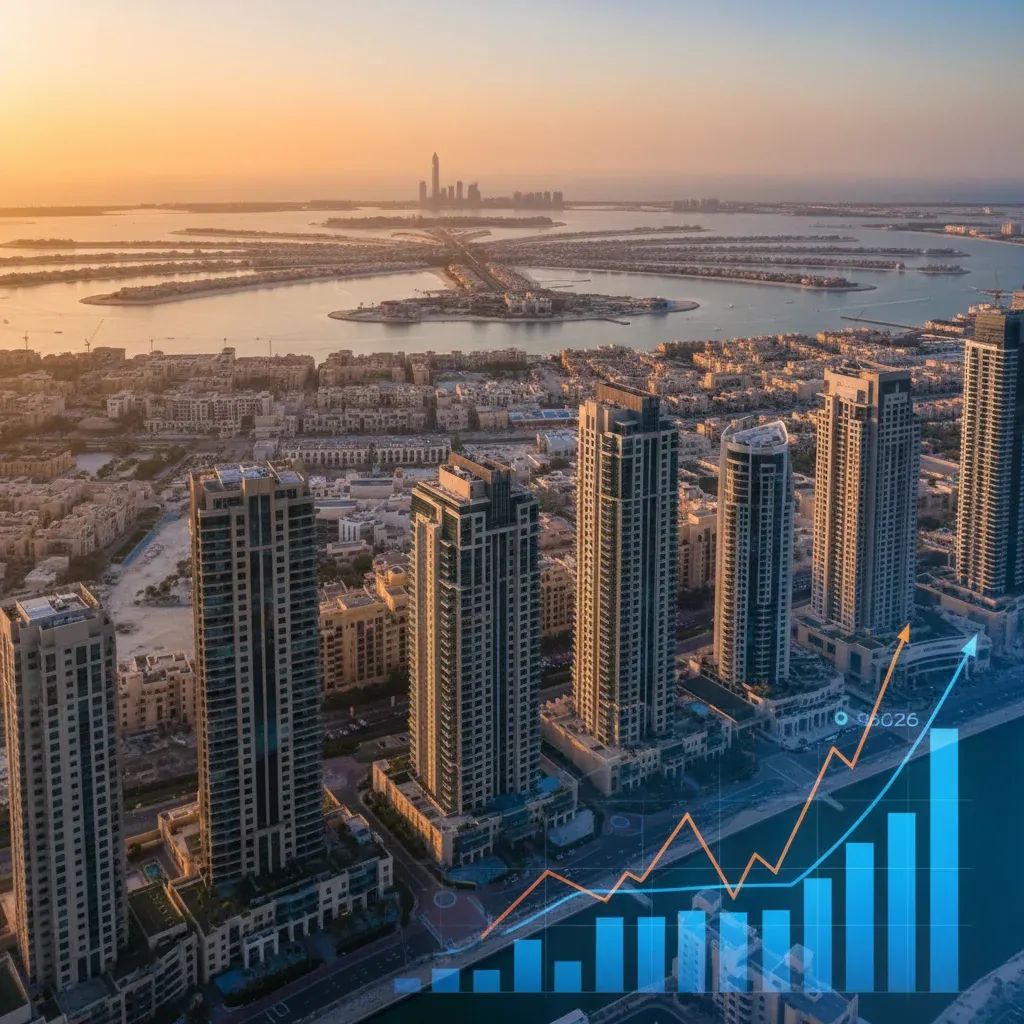
The United Arab Emirates' real estate hub, Dubai, generated AED 18 billion ($4.9 billion) in property transactions within a seven-day trading window in late January 2026, reinforcing the emirate's trajectory as a global magnet for investment and end-user demand. The week's activity included a standout AED 61 million ($16.6 million) penthouse transaction at The Alba Residences on Palm Jumeirah, part of a broader pattern demonstrating strong activity across premium segments.
Market Activity Snapshot
The seven-day snapshot logged 3,954 separate sales—a significant volume that underscores activity across multiple price segments. While the headline-grabbing AED 61 million Palm Jumeirah apartment captured attention, the transactional breadth reveals a market with diverse buyer engagement: institutional capital flows targeting branded residences, expatriate professionals upgrading to freehold villas, and international investors seeking rental opportunities in a zero-capital-gains-tax environment.
The Alba Residences sale itself reflects buyer preferences for premium waterfront properties. Located on the outer crescent of the Palm, the development offers unobstructed Arabian Gulf views and resort-grade amenities—climate-controlled pools, smart home integration, and proximity to high-end dining. Such transactions position Palm Jumeirah villas and penthouses as significant assets within the global luxury real estate market.
What This Means for Dubai Residents and Investors
Dubai's real estate market continues to attract both regional and international investors. The combination of tax efficiency, regulatory frameworks, lifestyle appeal, and geographic positioning makes the emirate a competitive choice for capital deployment. For residents considering property investment, the market demonstrates sustained activity across multiple segments, from prime waterfront developments to established communities.
The strong transaction activity—generating AED 18 billion in a single week—underscores Dubai's position as a significant real estate hub. For prospective buyers and investors, this level of market engagement suggests confidence in the emirate's real estate sector and its underlying fundamentals.
Market Structure and Investor Profile
Dubai's real estate transactions are characterized by a capital-led structure, with substantial cash purchases alongside mortgage financing. This composition reflects the involvement of institutional investors, international wealth, and resident buyer participation. The regulatory environment, overseen by authorities including the Real Estate Regulatory Agency (RERA), provides frameworks designed to protect buyers and maintain market transparency.
Strategic Considerations for Market Participants
For buyers: Focus on verified developer credentials and established communities with clear infrastructure and amenities. Review all transaction documentation carefully and consider professional legal counsel when purchasing off-plan properties.
For investors: Evaluate properties based on fundamental factors including location, developer reputation, market demand, and long-term appreciation potential. The volume of activity in prime areas indicates sustained investor interest in Dubai's real estate sector.
For tenants and future buyers: Monitor market activity to understand pricing trends and neighborhood dynamics. The consistent transaction volumes suggest an active, liquid market where properties can be bought, sold, and leased relatively easily.
Conclusion
Dubai's real estate sector demonstrated significant activity in late January 2026, with AED 18 billion in weekly transactions reflecting sustained market engagement. The emirate's position as a global real estate destination remains supported by its regulatory environment, tax advantages, and appeal to international investors and residents. The market continues to offer opportunities for those who conduct thorough due diligence and align their investment strategy with verified market fundamentals and their personal financial objectives.


