
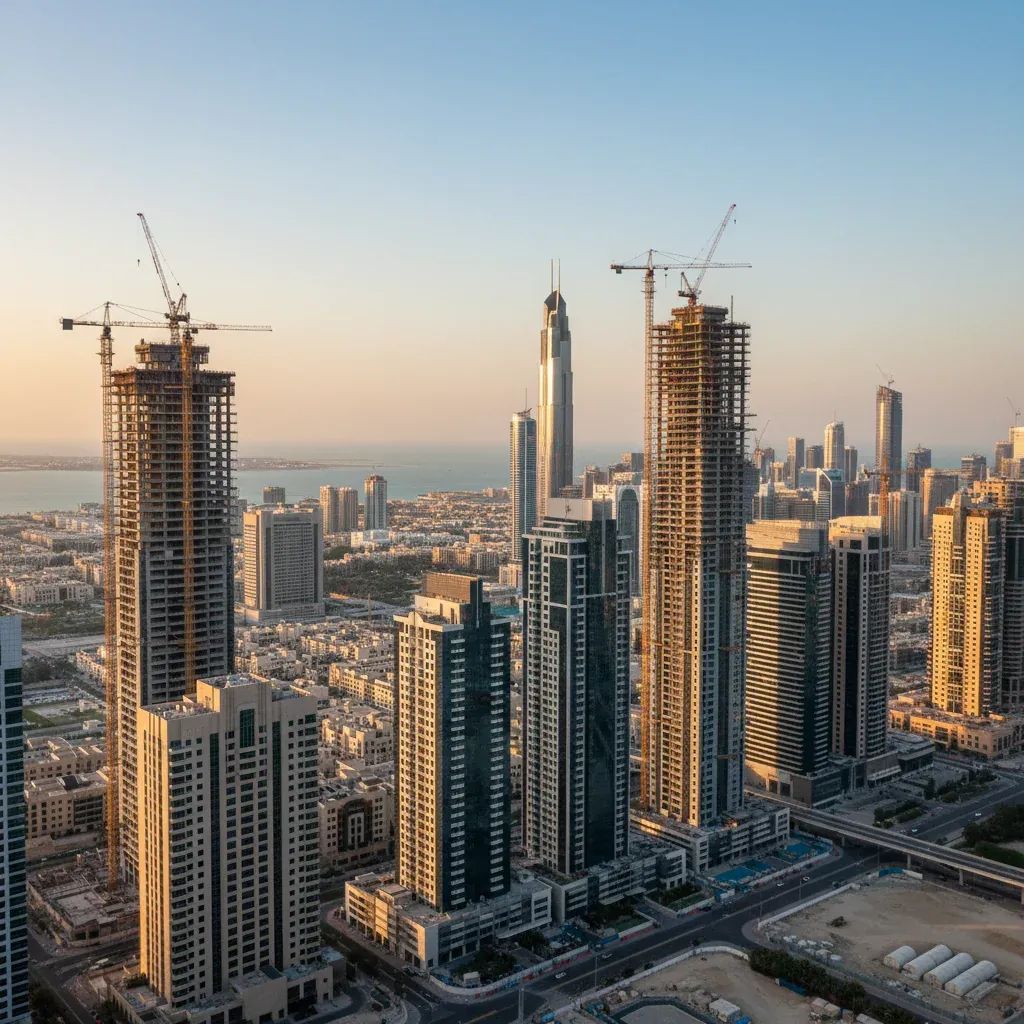
The United Arab Emirates Dubai Land Department has logged AED 15.6 billion (US$4.25 billion) worth of property transfers in a single trading day, an eye-popping total that underlines just how much capital is still pouring into the city’s bricks-and-mortar market—and how quickly rule changes are reshaping who can buy, sell, and borrow.
Why This Matters
• AED 15.6 billion in 24 hours – the largest daily tally ever recorded in Dubai.
• 1,501 individual transactions signal broad participation, not just one blockbuster deal.
• Cheaper mortgages and long-term visas are fuelling demand; first-time buyers now face new competition.
• Supply surge coming: more than 150,000 new homes slated for delivery by 2027 could soften prices in some districts.
A Record Setting Day – and the Forces Behind It
Property agents scarcely had time for coffee on 26 January when sales, mortgages and gifts combined for >AED 11 billion in outright sales alone. Analysts attribute the frenzy to a confluence of reforms rolled out over the past 18 months:
Golden Visa tweaks allow investors buying units worth just AED 2 million to secure 10-year residency, a meaningful carrot for global wealth managers.
Bank lending rules were relaxed, pushing loan-to-value ratios up to 85% for nationals and 80% for expats; coupled with sub-4% rates, leverage has rarely been cheaper.
A new blockchain conveyancing portal cuts transfer time to minutes rather than days, a critical advantage for offshore buyers working across time zones.
Developers have leaned into green-building incentives, unlocking fee rebates and marketing cachet that is resonating with ESG-minded funds.
Where the Cash Landed
The Land Department’s daily log does not break out every dirham, but January’s full-month data offers a reliable proxy:
• Residential still rules – AED 55.2 billion, or roughly 3 quarters of all deals.
• Off-plan contracts comprised 71 % of new home sales, reflecting buyer appetite for future supply in master-planned areas such as Dubai South and Creek Harbour.
• Commercial assets—from logistics sheds in Jebel Ali to boutique hotels on Palm Jebel Ali—tallied AED 17 billion.
• Transaction hotspots included Business Bay, Jumeirah Village Circle and Al Barsha South 4, neighbourhoods that combine mid-market pricing with metro access.
Can the Momentum Last?
Market veterans see the surge as a sign of maturing demand rather than speculative froth. Badar Rashid AlBlooshi of Arabian Gulf Properties describes the landscape as “liquid but disciplined,” pointing to genuine end-user demand and corporate relocations. Still, two clouds hover:
• Supply pipeline – Approximately 150,000 new units will hit the market by end-2027, a 20 % jump in total stock. That could cap price growth, especially in peripheral zones.
• Macro variables – Any unexpected spike in global interest rates would filter through to UAE loan pricing within months, potentially cooling activity.
What This Means for Residents
• Renters: Expect slower annual rent hikes once the 2026-2027 handovers start, particularly in outer-ring communities like Dubailand.• First-time buyers: The AED 70,000 stamp-duty waiver under the First-Time Home Buyer Programme remains in play, but bidding wars for popular off-plan launches will require quicker booking deposits.• Landlords: High liquidity now allows easier refinancing; many banks will top up existing mortgages at lower rates, freeing capital for renovations or additional purchases.• Expats on visas: Securing a property worth AED 2 million or more still unlocks the coveted 10-year residency, yet fractional “tokenised” stakes below that threshold will no longer qualify after the new resale rules activate on 20 February.
Investor Playbook for 2026
Prioritise handover timelines – units completing in 2028-2029 may face more price pressure than those ready in 12-18 months.
Watch hospitality zones – the Hotel Incentive Programme is funnelling demand into Dubai South and Palm Jebel Ali; short-stay yields here already top 9 % gross in some buildings.
Consider green premiums – LEED Gold or Al Safat-rated homes are fetching 5-7 % higher resale values, a trend likely to widen as energy tariffs rise.
Bottom Line
The record-breaking AED 15.6 billion burst is less a one-off spectacle than proof that policy, finance and population growth have aligned to create a deeper, more liquid real-estate market. For residents and investors alike, the takeaway is double-edged: opportunity is abundant, but so is competition. Keeping an eye on upcoming supply and the fast-evolving rulebook will be the difference between catching the next wave – or paddling after it.


