
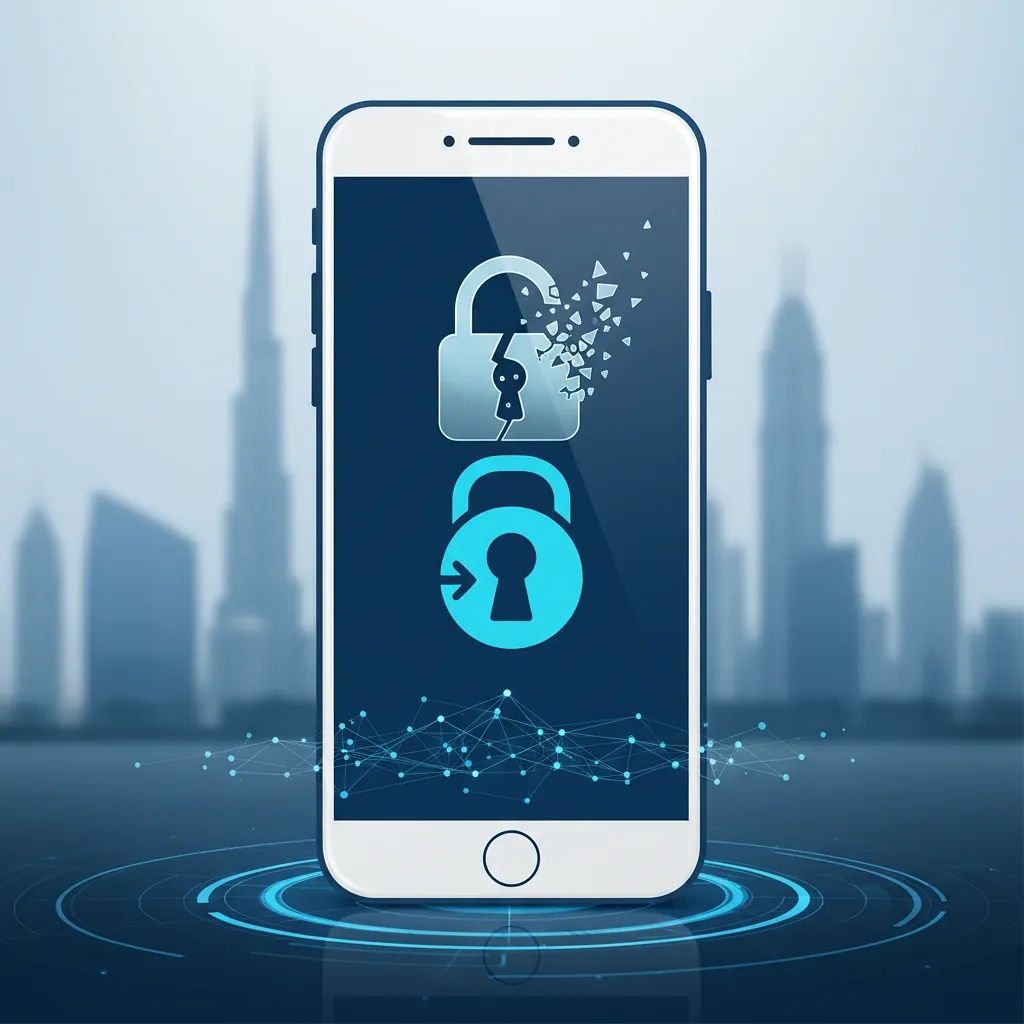
The Dubai Electronic Security Centre (DESC) has issued a formal warning about a sharp spike in email-based scams weaponizing QR codes to steal banking credentials and Emirates ID details from UAE residents. Fraudsters are impersonating banks, government agencies, and utility providers with sophisticated communication clones designed to create artificial urgency and pressure victims into scanning without verification.
Why This Matters
• Silent malware and credential theft: Scanning malicious QR codes can trigger background spyware installation designed to capture banking logins, Emirates ID details, and payment card information.
• Professional phishing replicas: Scammers have engineered lookalike portals for UAE banks and government services that closely mimic genuine platforms.
• Localized social engineering: Attacks reference real institutions residents already trust, exploiting brand familiarity and existing customer concerns about account security.
• Free detection tool available: RZAM, the DESC-developed security app, scans links and codes before opening and delivers real-time alerts on confirmed threats circulating in the UAE.
How the Scams Work
These attacks exploit the opacity of QR codes. Unlike traditional web addresses that display their destination in plain text, QR codes reveal nothing until scanned. This structural advantage allows attackers to conceal malicious endpoints. Once scanned, victims either encounter spyware designed to log keystrokes while using banking apps, or are redirected to meticulously crafted replica login pages that harvest credentials.
The Dubai Electronic Security Centre reports that fraudulent messages typically follow a pressure formula: an account will be frozen, a transaction reversed, a service disconnected, or benefits will expire—unless immediate action is taken by scanning the code. Legitimate UAE institutions rarely initiate high-stakes requests via emailed QR codes. When they need customers to verify accounts, they use in-app notifications through existing applications, SMS from verified numbers, or requests presented when customers log in directly to official platforms.
Recognizing and Avoiding These Scams
DESC recommends the following protective practices:
• Treat unsolicited codes as potential threats: Any QR code sent by someone else should be approached with skepticism. Legitimate transactions typically begin with you initiating contact or accessing your own account, not with someone providing an access point.
• Authenticate senders independently: If an email claims to be from your bank, do not use contact details provided in that email. Instead, retrieve the phone number from your debit card, visit the bank's website through a fresh browser search, or call a number you know from memory to verify whether they sent the message.
• Access services directly: Rather than scanning a code that supposedly leads to your bank's login, open your banking app directly from your phone's home screen. Rather than clicking government links from emails, navigate to the official UAE government portal through a fresh browser search. This approach eliminates the risk of landing on counterfeit replicas.
• Never enter sensitive information on pages reached through external prompts: If you accidentally scan a suspicious code and encounter a login interface, stop immediately. Close the browser and do not enter any credentials—phishing pages are designed to accept and capture any input.
RZAM: DESC's Resident Defense Tool
The Dubai Electronic Security Centre released RZAM as a free, resident-focused tool available through both Apple and Android app stores. The application analyzes QR codes and URLs before you open them. When you encounter a suspicious link or code, you can paste it into RZAM or capture the code with your phone's camera. The app processes the input against a continuously updated database of known malicious sites and delivers a result within seconds: confirmation that the link is safe or a warning that it is flagged as dangerous.
RZAM provides context-specific alerts tailored to the UAE market. When DESC detects a new phishing campaign targeting a particular bank, telecom provider, or government service, the app notifies users with details about the scam and how to recognize it. Installation requires minimal effort and does not slow down your device.
What Residents Should Know
The United Arab Emirates operates as a digitally advanced ecosystem where mobile payments, paperless government services, and smart city infrastructure are normalized. This sophistication creates new attack surfaces that criminals continuously exploit. The Dubai Electronic Security Centre's formal public warning indicates the fraud has scaled to levels where coordinated awareness becomes necessary.
Residents should recalibrate their baseline assumptions about unsolicited codes. A QR code sent by someone else should be treated with the same caution as a stranger requesting your banking PIN or credit card number in person. Verify the source independently, confirm legitimacy through channels you control, and when doubt persists, always default to accessing services through official applications and websites that you initiate yourself.


